Metal roofing in El Dorado Hills is often considered by homeowners on exposed foothill lots who want a long-service system that handles wind and sun with fewer surface replacements. It is not automatically the right answer for every home. Profile choice, underlayment, ventilation, edge metal, and neighborhood rules matter as much as the word 'metal.' PRC 13 helps compare metal roofing against other options for the roof you actually have.
Why EDH Homeowners Look at Metal
An El Dorado Hills homeowner on an open ridge lot may deal with stronger gusts and longer daily sun on upper planes than a sheltered valley street. Those conditions can age shingles faster and stress ridge and edge details. Metal panels with well-designed attachment and interlocking seams appeal to owners who want durable shedding and a cleaner long-term maintenance story. Fire-adjacent awareness also leads some homeowners to ask about non-combustible surface materials; that conversation should stay factual and site-specific rather than fear-based.
Local fit still depends on architecture, roof complexity, and whether the home currently wears tile or shingles. Metal is a system, not a sticker. Multi-level EDH roofs with many penetrations need especially careful detailing; panel choice alone does not solve a crowded roof plan.
Standing Seam Versus Other Metal Profiles
Standing seam systems use raised seams and often conceal fasteners, which many residential clients prefer for weather performance and a refined look. Other profiles, such as exposed-fastener panels, may suit certain slopes, accessory buildings, or design goals. Panel width, seam height, coating, and attachment method all affect appearance and performance. An inspection should match profile to pitch, complexity, and aesthetic constraints rather than defaulting to one product for every EDH street.
- How will panels attach on this specific roof geometry?
- What underlayment and ice/water or high-temperature membranes fit the climate and assembly?
- How are ridges, hips, valleys, and penetrations detailed?
- What edge metal and ventilation strategy complete the system?
- Do HOA or design guidelines limit color, profile, or reflectivity?
- How will expansion and contraction be handled on long sun-exposed runs?
Color and finish also matter on foothill lots with long sun exposure. Lighter, more reflective finishes can change heat load and curb appearance. Confirm approved color ranges with any design review board before locking a finish that cannot be returned after fabrication.
Typical Metal Replacement Process
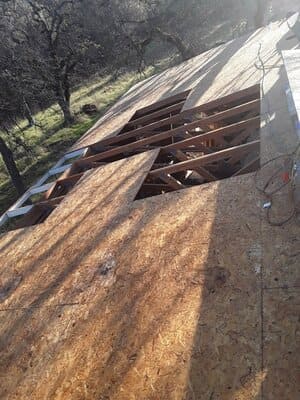
Projects usually begin with inspection: structure, existing material, decking condition, ventilation, and access. Tear-off removes the old roofing when a full replacement is the plan. Underlayment is installed to create a continuous secondary water barrier suited to the assembly. Panels or standing-seam pans go on with attention to layout, expansion, and fastening. Ventilation, ridge details, and edge metal finish the weather envelope. Penetrations and flashings need the same care as on any quality roof replacement.
Staging on hillside lots may need extra planning for material delivery, fall protection, and neighbor access. Those logistics do not change the water-shedding goals, but they do affect schedule and jobsite care. Ask how debris will be controlled around landscaping and driveways before work starts.
Ventilation and Edges Matter as Much as Panels
A metal surface does not forgive poor attic ventilation or weak eave and rake details. Heat and moisture still move through the building. Edge metal controls drip lines and wind-driven rain at perimeters, areas EDH winds often test. Discuss ventilation upgrades when the old roof showed heat stress or inadequate airflow, especially on sun-exposed upper planes.
HOA and Architectural Considerations
Many El Dorado Hills neighborhoods have design guidelines about color, sheen, and roof character. Some associations welcome modern metal; others prefer tile-like appearance or limit reflectivity. Check requirements early so material selection does not conflict with approval processes. Architectural style of the home also matters: a metal profile that fits a contemporary hillside home may feel out of place on another elevation. Planning avoids mid-project surprises.
If guidelines are unclear, bring sample photos and finish chips to the association early. A short approval delay is easier than fabricating panels that later fail review. Keep written approvals with your project file.
Noise and Heat Myths. With Realistic Context
Rain noise myths often come from metal installed over sparse framing without modern underlayment. On a solid deck with proper underlayment, many homeowners find rain comparable to other systems. Heat performance depends on finish color, reflectivity, insulation, and ventilation. Metal can be part of a cooler-roof strategy, but it is not a substitute for attic airflow or insulation. Ask for assembly-level explanations rather than slogans.
Comparing Metal and Tile on EDH Homes
Tile remains common in El Dorado Hills for appearance and tradition. Tile roofs often depend heavily on underlayment longevity; when underlayment ages, owners face underlayment reset or broader replacement conversations. Metal offers a different maintenance profile and a different look. Neither is universally preferable. Pair a metal consultation with a look at the existing tile or shingle system when you are weighing both.
Weight change from tile to metal can be an advantage on some structures, but structural review still belongs in the inspection. Do not assume every roof can swap materials without checking decking, framing, and load paths, especially on older hillside homes with complex additions.
Maintenance After Installation
Keep valleys and gutters clear of oak leaves and debris. Inspect from the ground after major wind for displaced accessories or debris impact. Have penetrations checked if sealants age or if new rooftop equipment is added. Avoid abrasive cleaning methods that damage coatings. Scheduled professional lookovers after severe weather help catch small issues before they become leaks.
If solar, satellite, or HVAC work is added later, ask the trade to coordinate with a roofer on flashings. New penetrations are common leak points when they are cut into a finished metal roof without matching details. A quick post-install ground check after those trades leave can catch displaced edge pieces early.
When Metal Is, and Is Not, the Right Fit
Metal can be a strong fit for exposed lots, owners seeking long service intervals, and homes where HOA and architecture align. It may be a poor fit when guidelines prohibit it, when the preferred aesthetic is firmly tile or shingle, when structural or detailing constraints favor another system, or when the homeowner wants a different investment profile. Honest scoping during roof inspection protects everyone from a mismatched choice.
We do not quote exact pricing in this article because every EDH roof differs in size, complexity, tear-off needs, and material selection. A written estimate after inspection is the accurate way to compare options.
What Homeowners Should Decide Before Panels Are Ordered
Before fabrication, confirm HOA or design-review approval, finish color, profile, and which penetrations will be reworked. Ask how valleys, skylights, and wall transitions will be detailed on your specific layout. Changing those choices after panels are cut often means delay and wasted material.
Also clarify tear-off disposal, jobsite protection for landscaping, and how long sections of the home may be without a finished roof surface during install. Those process details are practical ownership decisions, not marketing extras, and they matter on exposed foothill lots where weather windows can shift quickly.
Talk Through Metal for Your EDH Roof
If you are considering metal for an El Dorado Hills home, start with inspection and a clear comparison of profile, underlayment, ventilation, and neighborhood rules. Explore metal roofing services and our El Dorado Hills roofing hub, then schedule a visit so recommendations follow your slopes, exposure, and architectural constraints, not a generic foothill brochure.