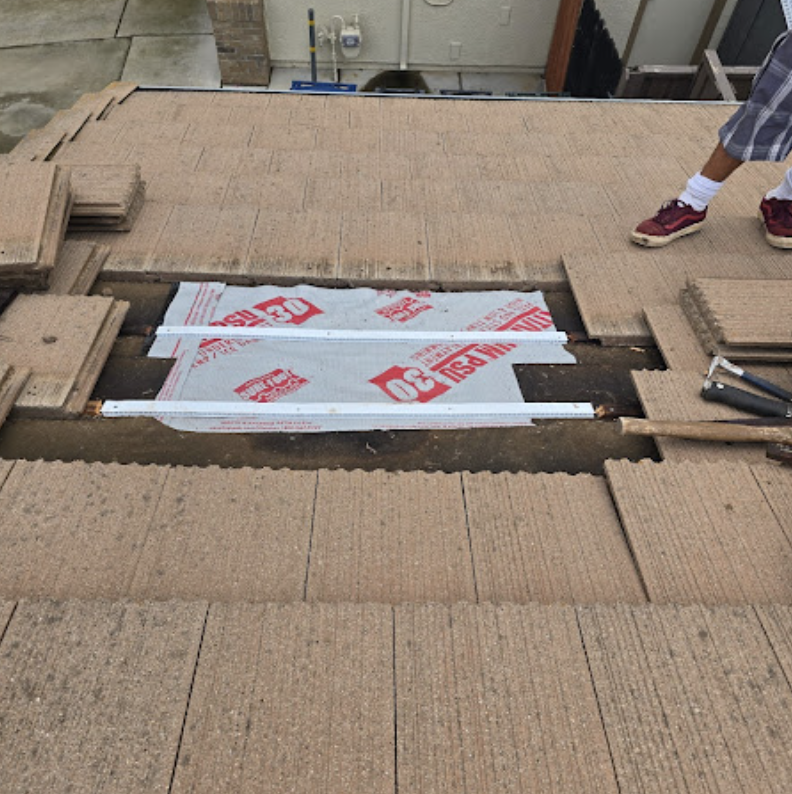
After storm damage in El Dorado Hills, clear documentation, a careful inspection, and realistic expectations about policy review help you move from damage notes to a repair plan.
Helpful Service Pages
Storm damage on an El Dorado Hills roof can leave you with wet ceilings, lifted material, and a stack of questions about insurance. The most useful next step is usually documentation and a clear roof assessment—not guessing coverage from a neighbor's experience. PRC 13 helps homeowners record conditions and estimate repair needs while keeping an important boundary: coverage decisions belong to the insurer under your policy.
Important Disclaimer About Coverage
Coverage depends on your individual policy, the cause of loss, deductibles, exclusions, age or condition provisions, and the insurer's review. PRC 13 documents roof conditions and provides estimates for repair or replacement work. We cannot guarantee claim approval, cannot interpret policy language as an insurance professional, and cannot promise that any specific line item will be paid. Use our findings as condition records and scope clarity while you work directly with your carrier.
Sudden Storm Damage Versus Wear and Tear
Insurers often distinguish sudden damage tied to a weather event from gradual aging. Wind-lifted tabs after a named storm period, impact from a fallen limb, or a puncture during a specific weather window are examples homeowners commonly document as sudden. Curling from long sun exposure, widespread granule loss over years, or leaks from deferred maintenance may be treated differently. An honest inspection tries to describe what is present so you are not mixing those categories in your own notes.
An El Dorado Hills homeowner on an open ridge lot may see storm-related lift on upper planes while lower slopes show older heat aging. Separating those observations helps conversations with an adjuster stay grounded in what happened during the event versus what was already worn.
Wind on Exposed EDH Lots
Foothill and ridge exposure can concentrate gusts on ridges, hips, gable ends, and edges. Material on the ground, missing ridge pieces, or lifted tabs after a wind event are useful exterior clues. Interior stains may appear later if rain follows. Document both the weather context and the physical conditions without climbing steep wet roofs for close-ups.
- Date-stamped photos of interior water and ground-visible exterior damage.
- Notes on wind direction, rain timing, and when the leak or opening was first noticed.
- Photos of debris or displaced material left in place when safe.
- A written roof assessment before major cleanup of damaged roofing materials, when practical.
Documenting Interior and Exterior Conditions
Interior photos should include the stain pattern, active dripping if present, and any damaged finishes or belongings. Exterior photos from the ground can show missing pieces, impact points, and drainage overflow. Attic photos help when access is safe and dry enough. Avoid discarding damaged roof material until you understand your insurer's instructions. For active water entry, prioritize safety and emergency roof repair before completing a perfect photo set.
Inspection Before You Rely on Guesswork
A roof inspection after a storm looks for lifted material, punctures, flashing movement, valley issues, and interior moisture paths. In El Dorado Hills, inspectors often pay close attention to ridge lines, multi-level transitions, and areas with oak debris impact potential. The written findings give you a structured description of conditions that you can share with your insurer if you choose to file.
Inspection is not a claim approval. It is a condition report. That distinction keeps expectations realistic and keeps the roofer's role clear. Bring prior repair notes if you have them; they help separate a new storm mark from an older patched area on complex multi-level EDH roofs.
Filing and Working With Your Insurer
If you decide to file, follow your carrier's process for notice, photos, and temporary mitigation. Ask what they want documented and whether they prefer you wait for an adjuster before permanent repairs. Prompt mitigation of active leaks is often expected to limit further interior damage; keep receipts for reasonable temporary steps. The filing decision and timeline are yours to manage with the insurer.
When you speak with the carrier, stick to observed facts: dates, weather, photos, and where water entered. Avoid diagnosing coverage on the call. If the insurer asks for a contractor estimate, provide the written scope that matches the inspection findings rather than a vague lump sum with no line items.
The Adjuster Visit
An adjuster reviews the property under the policy. When helpful, a contractor can point out documented storm-related conditions and explain how a proposed roof repair or larger scope relates to those findings. Steep or complex EDH roofs may need careful access planning. Disagreements about scope sometimes arise; additional documentation or a supplement request may follow if hidden damage appears later. Outcomes still rest with the insurer.
It helps to walk the same sequence the inspection used: ridge and hips first on exposed lots, then valleys, penetrations, and interior stain locations. Pointing to a map of photos can keep the visit focused when the property has multiple roof levels or long ridges that are easy to skim.
Deductibles, Supplements, and Scope Changes
Your deductible and policy terms affect what you pay out of pocket even when a claim is accepted. Supplements may be submitted if necessary work is discovered after tear-off or closer inspection—such as decking damage not visible at first. Acceptance of supplements is not automatic. Keep communication clear, dated, and tied to observed conditions rather than assumptions.
If the approved scope differs from the contractor estimate, ask for a written explanation of the difference and compare it line by line. Some gaps are policy limits; others are overlooked details that additional photos can clarify. Neither the homeowner nor the roofer should treat silence as agreement.
Repair Versus Replacement in Claim Contexts
Localized storm damage on an otherwise serviceable roof may point toward repair. Widespread storm-related damage, matching limitations, or a roof already near the end of its life can bring roof replacement into the discussion. Those are technical and policy questions at once. A clear estimate that separates storm-related work from optional upgrades helps you and your insurer stay aligned on scope.
Matching aged shingles or tile after a partial repair can be difficult on older EDH roofs. That practical constraint belongs in the discussion early, alongside functional damage, so expectations about appearance and continuity are realistic before work begins.
Common Mistakes That Weaken Documentation
- Waiting through several more storms before photographing active leak areas.
- Climbing a steep wet roof and creating a safety incident.
- Throwing away damaged roofing before anyone has recorded it.
- Assuming a neighbor's claim result predicts your outcome.
- Treating a contractor estimate as a guarantee of insurance payment.
- Mixing optional upgrades into a storm-damage estimate without labeling them clearly.
For broader Sacramento-area claim process context, see our storm damage insurance claims guide. For urgent openings and active leaks specific to this community, read emergency roof repair in El Dorado Hills.
What Homeowners Should Leave to Pros on Steep EDH Roofs
Many El Dorado Hills roofs are steep, tall, or broken into planes that are unsafe to walk after rain. Do not climb for close-up claim photos, pull ridge material back to show damage for the camera, or discard displaced pieces before they are recorded. Ground-level photos, interior documentation, and a scheduled inspection give you a usable file without creating a fall hazard.
If an opening is actively admitting water, prioritize interior protection and urgent roof assessment first. Claim paperwork can follow once people are safe and temporary weather exposure is controlled. A rushed climb rarely improves documentation quality, and it can turn a roof claim into a medical emergency.
Next Steps for EDH Homeowners
If your El Dorado Hills roof shows storm-related damage, start with safety, photos from safe locations, and a professional inspection. Use the findings to decide whether to contact your insurer, and keep expectations tied to your policy rather than general advice online. Explore local service context on our El Dorado Hills roofing page, then schedule an inspection so documentation and repair planning rest on what is actually on your roof.
Frequently Asked Questions
No. Coverage depends on your policy, the cause of damage, deductibles, exclusions, and the insurer's review. Sudden storm-related damage may be treated differently from gradual wear. PRC 13 documents conditions and estimates but cannot guarantee approval or interpret your policy as an insurance professional.
A professional inspection can help you understand what changed after a storm and give you dated notes and photos for your own records. Whether and when to file is your decision with your insurer. An inspection does not create coverage by itself.
Open ridge and hillside homes can take stronger gusts on upper slopes, gables, and ridge lines while lower or sheltered planes look untouched. Adjusters and homeowners both benefit from photos that show the specific storm-related conditions, not only the worst-looking slope.
From safe locations, photograph interior stains, dripping, damaged belongings, debris, and exterior damage visible from the ground. Note the date and weather. Do not climb a steep wet roof for photos. Keep receipts for reasonable mitigation steps you take indoors.
A supplement is additional documentation submitted when hidden damage or necessary work becomes clear after the initial estimate—for example, decking issues found during repair. Whether a supplement is accepted is still up to the insurer under the policy.
When requested and scheduled, we can walk documented damage with an adjuster and explain findings from our inspection. We do not negotiate policy coverage or promise an outcome. Our role is condition documentation and repair or replacement estimating.
That depends on the extent of storm-related damage, the condition of remaining material, matching and building requirements, and what the insurer reviews under your policy. A clear inspection helps separate storm-related scope from pre-existing wear so you can discuss options realistically.
El Dorado Hills Roofing
Schedule Roofing Service in El Dorado Hills
PRC 13 Roofing serves El Dorado Hills homeowners with repair, replacement, tile and metal roofing, fascia repair, inspections, and emergency leak help on exposed foothill properties.
Related Services
PRC 13 Roofing Inc.
Sacramento residential roofing specialists. Lic. No. 1087153. Articles are based on real field experience.